All posts by Sal

30 years in the Quality field including experience as QA Manager for a Fortune 100 company and as a Quality System Certification auditor for the top Registrars in the field - plus over 10 years of Information Technology Management in dual roles. Specialties:ISO 9001 Quality, ISO 14001 Environmental, OHSAS 18001 Safety, ISO/IEC 27001 Information Security, RAB QSA Certified Assessor,

Foto Friday 8 – Tourin’ Turin

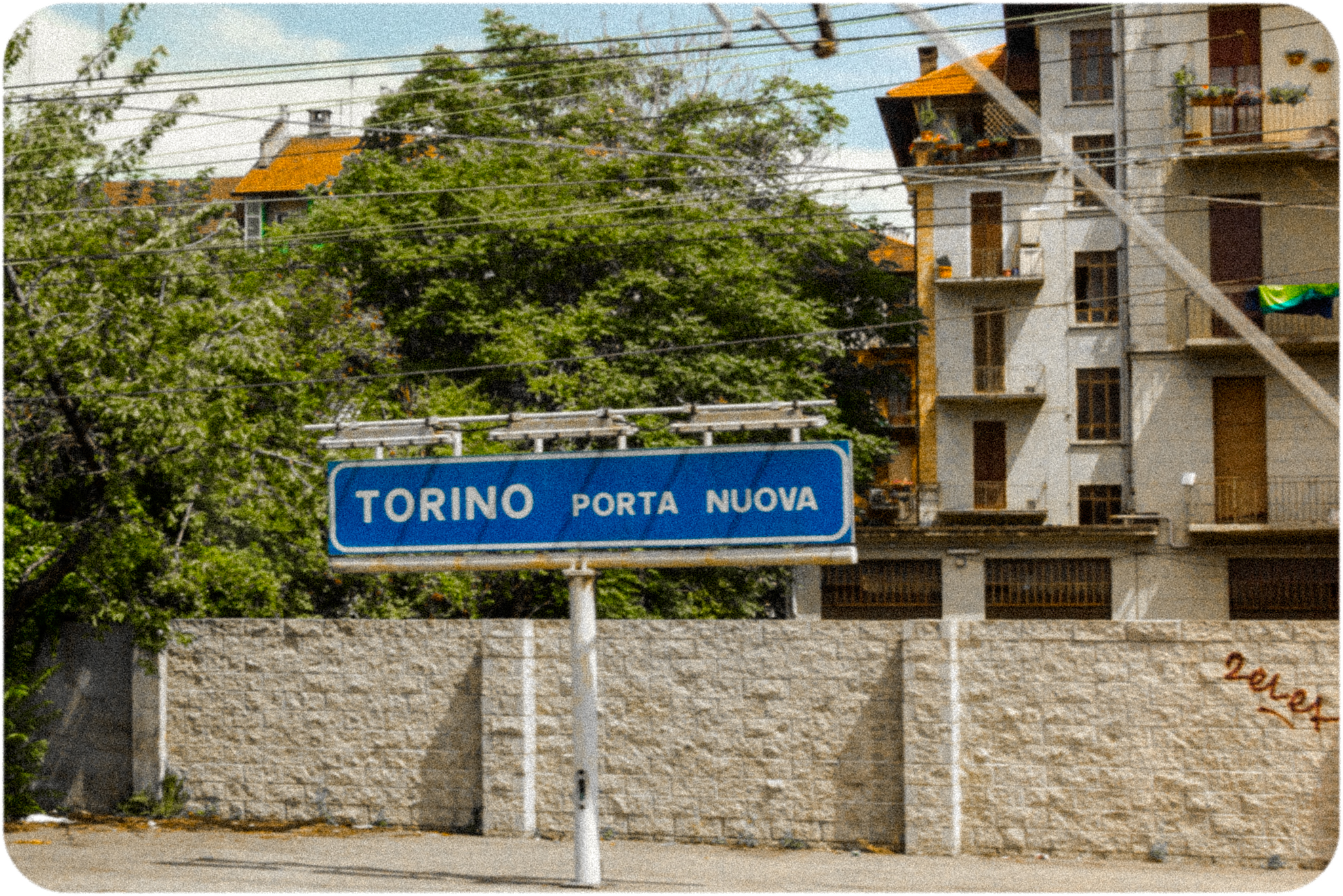
torino signSometimes one has to make an extra effort to add a little leisure to the labor.
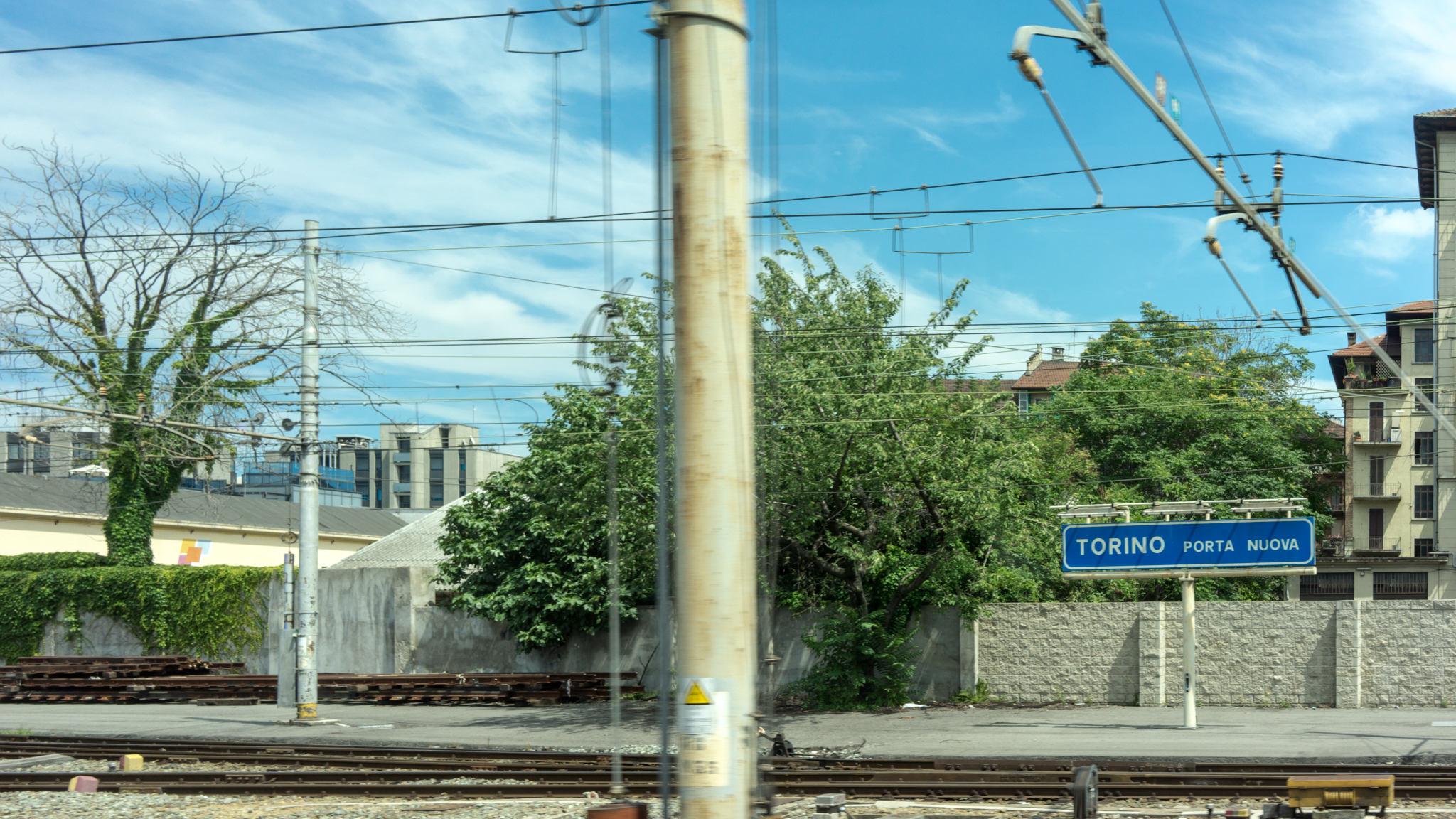
A few weeks ago I extended an audit in Europe to visit Turin, Italy. It’s on the bucket list as it was a significant place for my favorite author and philosopher.

Even though more than a bit jet-lagged, I still managed to walk a caffeinated 14.89 miles (according to my Fitbit Flex)! One full day to myself, then on an airplane home the next morning.

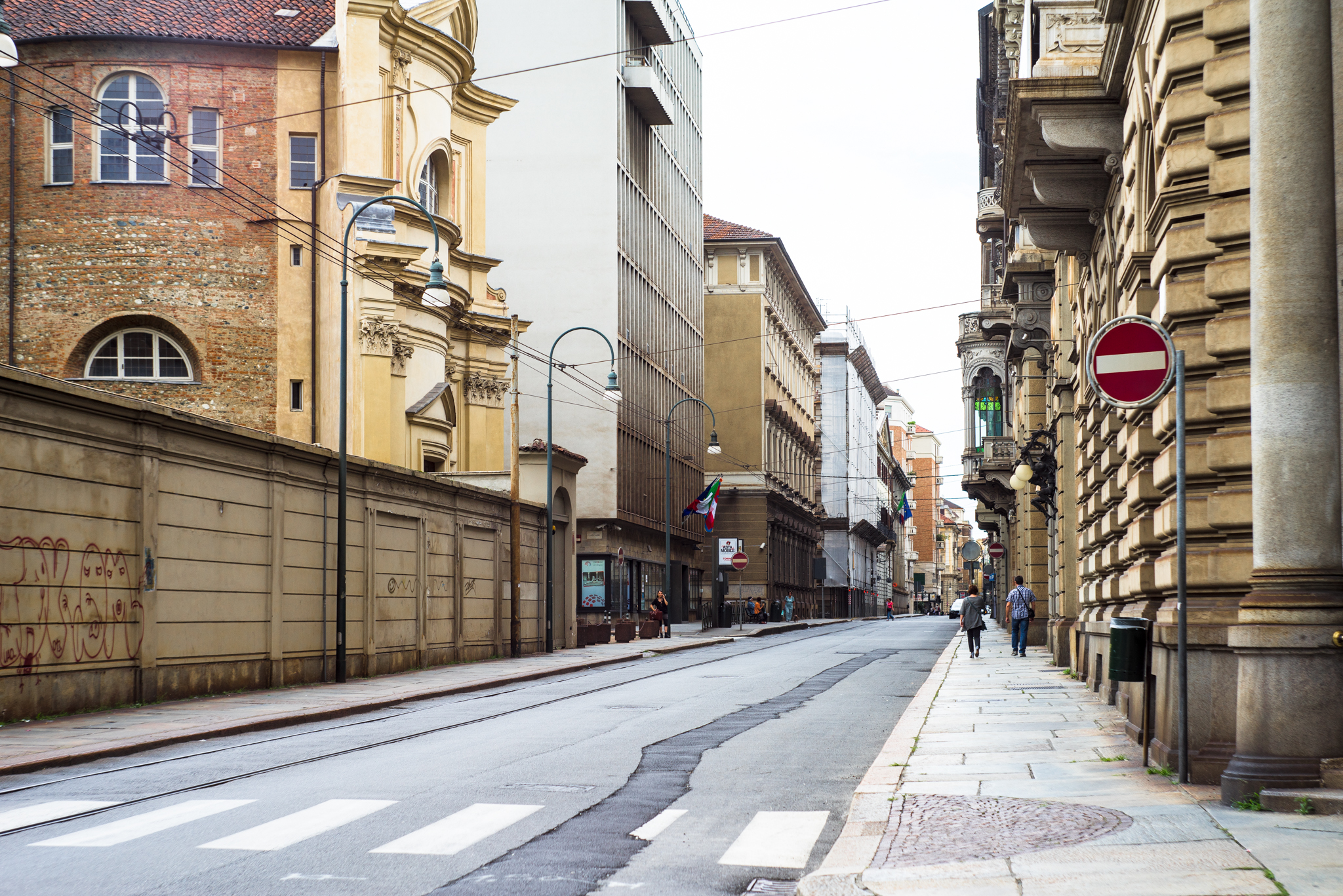
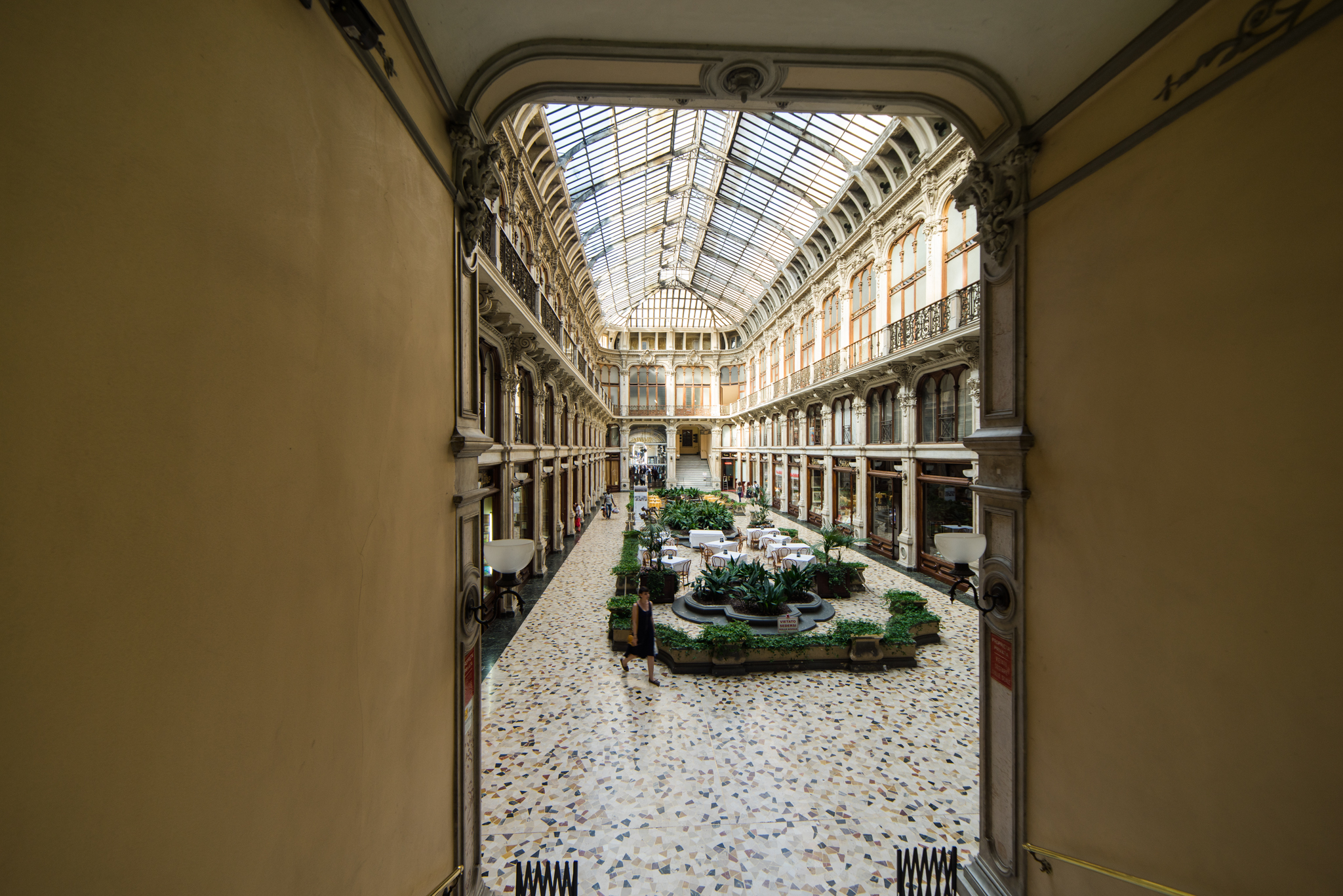
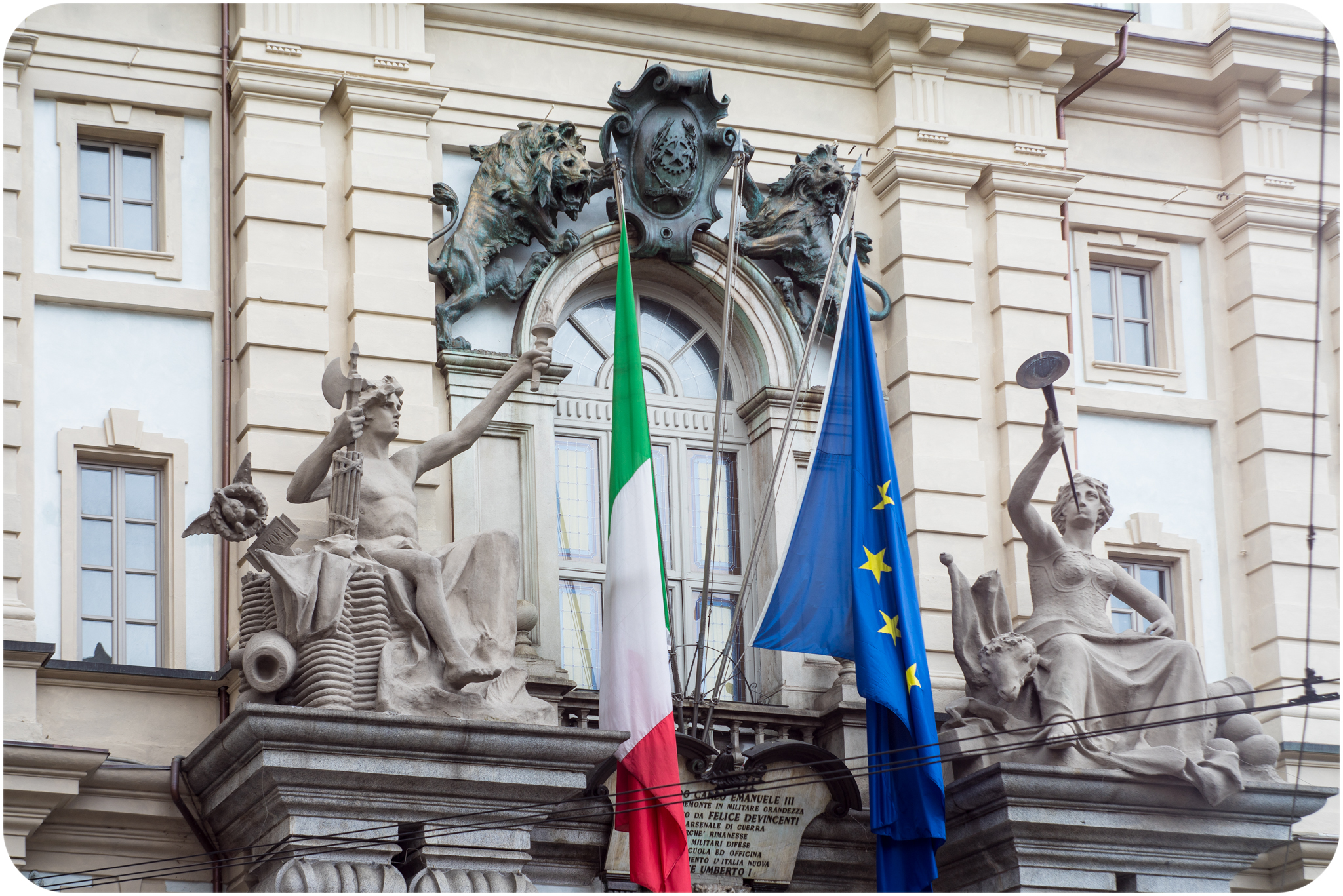
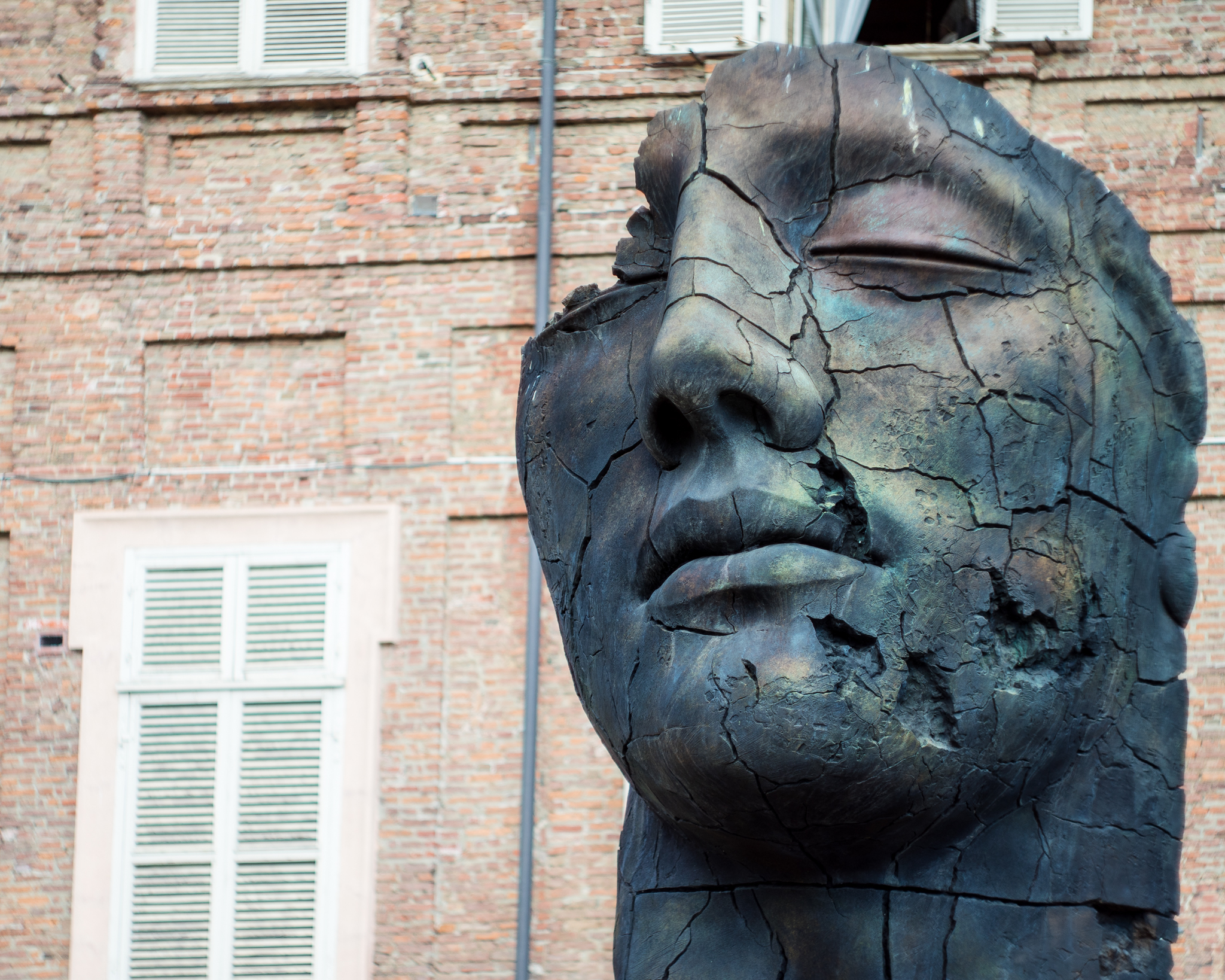
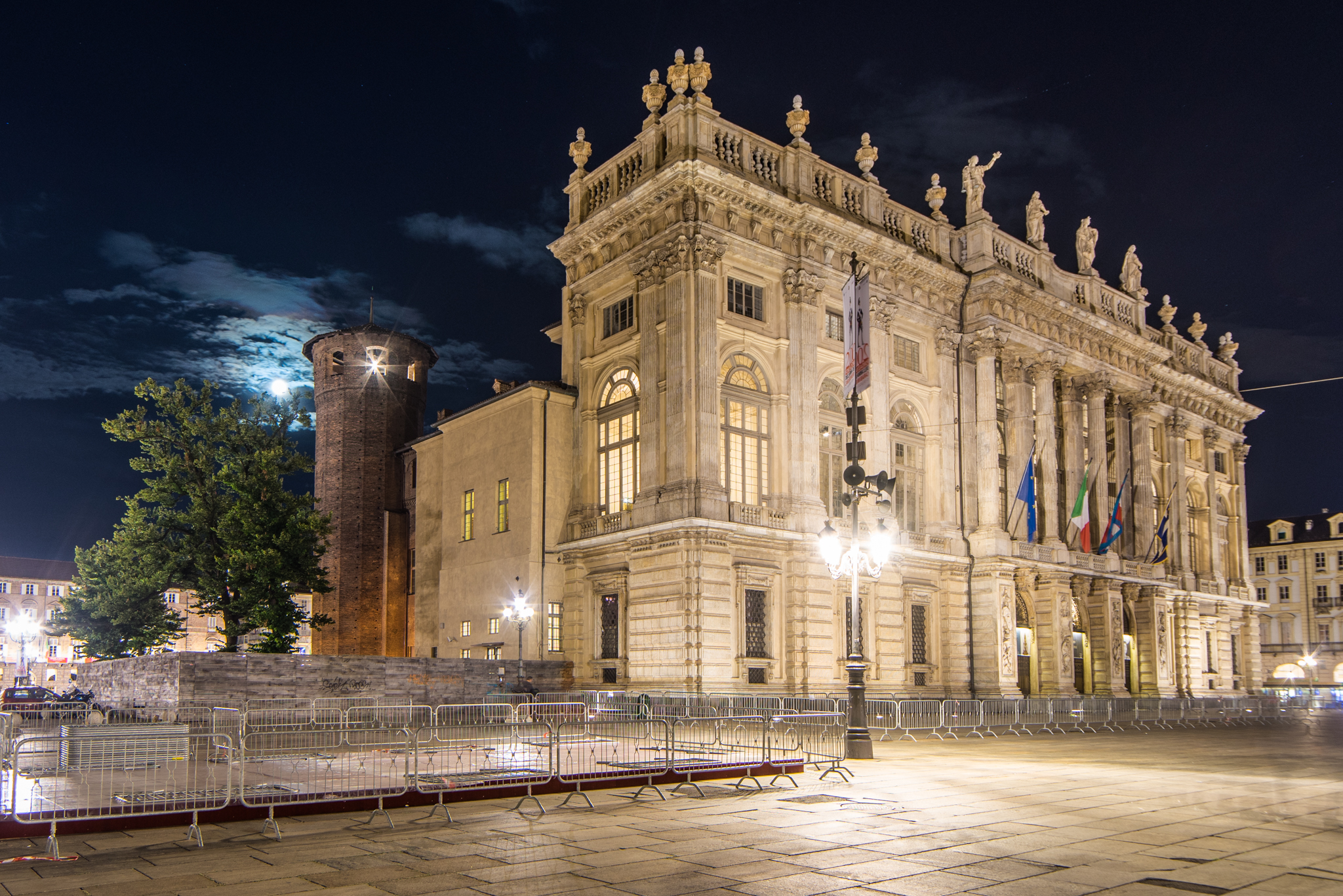
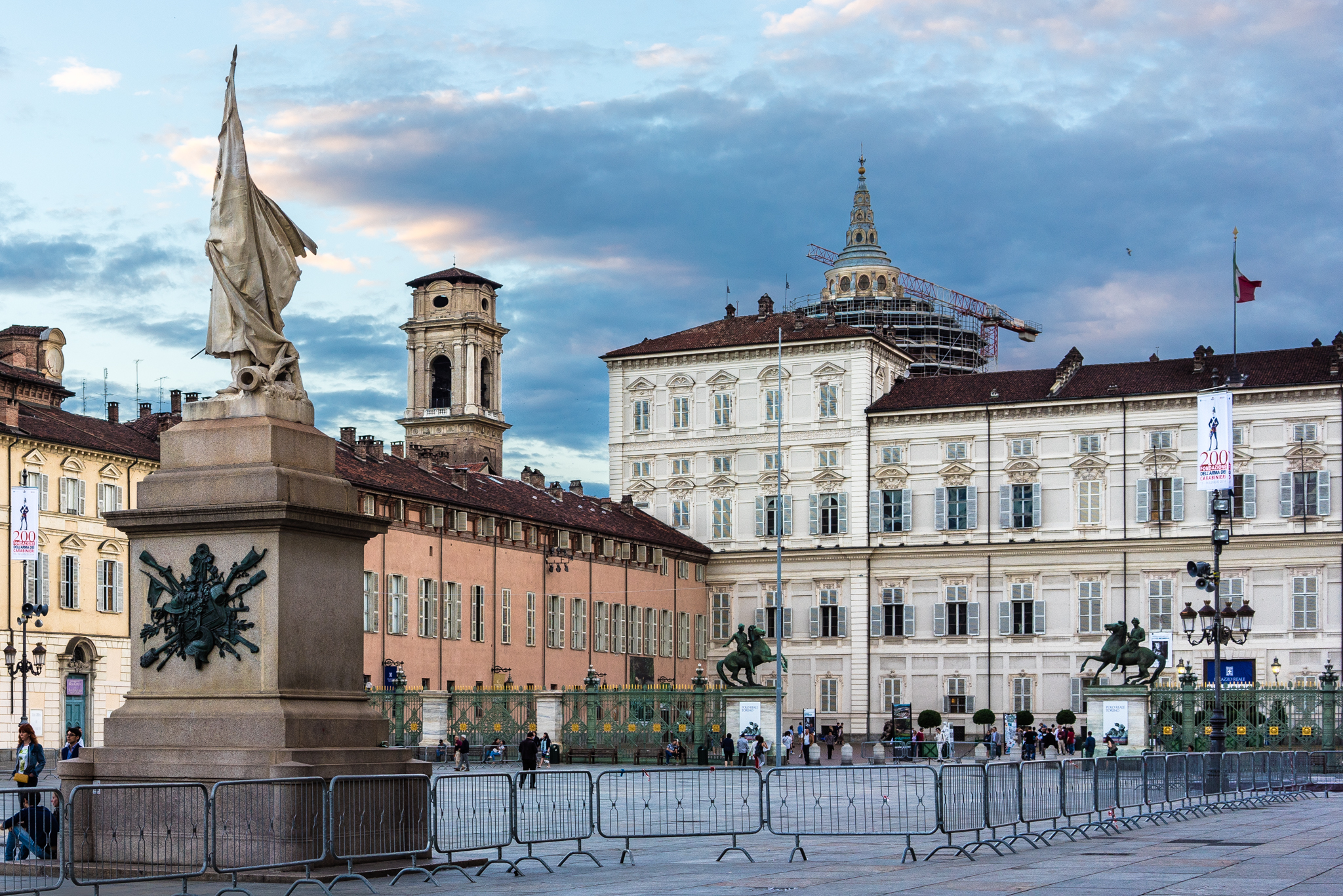
Thought I’d share a few photos from the trip.

While this isn’t a travel blog, I’ll hazard a few lines about the place. It is a clean city, if well-worn, filled with art of all kinds; amazing architecture and sculpture, and quite lovely to walk. If you’re a runner, I can recommend the scenic (paved) trail along the Po River.

It might be an Italy-thing, but there are almost as many gelato shops as there are statues – and there are tons of statues, “Basta!”. At around 3:30 pm – I don’t know what that is in metric, I think it’s about 1,530 kilos – the citizenry seek frosty, melty cones en-mass.

There may even be more gelato shops than there are coffee shops. Eh, probably not – “Mi fa cagare!”

Gloriously nice coffee, as you might imagine. I pretty much had either a doppio espresso or a cappuccino in my [shaking] hands at all times (the fashion is to stand at the coffee bar and drink the espresso right there on the spot – like a shot of Jack).

I felt very safe in the city and did quite well using the spare English word when words were necessary.

And to the American woman with whom I spoke in line at the train station – next time a friendly person strikes up smalltalk, try not to reveal that you and your teenaged daughter are traveling alone, what hotel you are staying at, what time you are going to dinner (or the two specific restaurants you are considering), approximately how many Euros you have with you – or the fact you’re supposed to be gone for another two weeks. She was out of sight before the risk she had taken sank into my skull.

And, speaking of blabbermouths – Enjoy the pictures! I hope you are able to carve a little time into your own busy schedule to see a special sight or eight.

Ciao!

Sal

Metrics – How To’sday

W. Edwards Deming

Collecting Metrics and tracking them is widely considered to be key to improvement – but the specifics are often elusive, particularly for relatively small organizations.

And, naturally, acting appropriately to the results is critical to improvement as well. We’ll touch on that, too. Eventually.

These posts (there will be at least two of them on the topic), while not providing an exhaustive list of departmental metrics, will provide at least a starting point for many.

The terms themselves are often used interchangeably, even if they clearly aren’t synonymous; metrics, KPIs, measurables, goals and objectives, dashboards…  where to begin?

Define Your Terms

Beyond dictionary and accepted terminology, ISO 9000:2005 “Quality management systems — Fundamentals and vocabulary” has formal definitions for a few of the key terms we’ll be using.

3.2.5 quality objective – something sought, or aimed for, related to quality (3.1.1)

3.1.1 quality – degree to which a set of inherent characteristics (3.5.1 – “distinguishing feature”) fulfils requirements (3.1.2 – “need or expectation that is stated, generally implied or obligatory”)

The next question is, “How does one measure progress against an objective?”

Fortunately, the 2nd note in ISO 9000:2005 under the term (3.5.1) distinguishing feature (a component of an objective) says, “A characteristic can be qualitative or quantitative.

Helpful or not, Note 3 goes on to state:

NOTE 3 There are various classes of characteristic, such as the following:

  • physical (e.g. mechanical, electrical, chemical or biological characteristics);
  • sensory (e.g. related to smell, touch, taste, sight, hearing);
  • behavioral (e.g. courtesy, honesty, veracity);
  • temporal (e.g. punctuality, reliability, availability);
  • ergonomic (e.g. physiological characteristic, or related to human safety);
  • functional (e.g. maximum speed of an aircraft).

Essentially, you can measure performance against an objective any way you wish – that performance measurement is what I am calling a metric.

Why have Metrics?

If an organization is going to spend time doing anything, particularly with metrics, then there should be a reason.

So, as with most Management System realities the two main reasons tend to be “Because it’s required” and “Because it makes sense”.

Let’s look at the latter first.

Because it makes sense.

Does it? You may be surprised to learn that not everyone agrees with managing via metrics, or at least, they would say that not everything of importance can be measured.

W. Edwards Deming (October 14, 1900 – December 20, 1993) was one who said it, in fact. Don’t know who Deming is?  Complicated man – almost legendary, possibly self-contradictory (the lens of history often does that to great men). He is thought to be one of the key figures helping Japan rise from the literal ashes after WWII. He gained popularity by expanding and championing concepts of Statistical Process Control, Plan-Do-STUDY-Act (PDSA) – and much, much more. I’d need a book to do him justice.

Side note – Deming was not a fan of the now common “Plan-Do-Check-Act” (PDCA). Notice the difference; “Study” vs “Check”. He called PDCA a “corruption”. His PDSA takes Study literally as deductive and inductive learning – it is built into a learning and improvement cycle. We’re getting a little far from the main topic, but I could expand on this more if anyone would like me to – leave a comment.

Here is a list of Key Deming Books. If you only have time to read one, many would recommend “Out of the Crisis“.

While Deming understood that not everything is measurable, and was quick to point out the dangers of slogans, thoughtless quotas and targets (such as “zero defects”) he still believed a system must be managed and that “There is no substitute for knowledge.” 

For the mere mortals among us, however, a reasonable place to start is by carefully selecting a set of solid process measurements to determine if something is improving – or not.

Another popular way to put it, “If it can’t be measured, it can’t be improved.” (sounds a bit like a slogan, doesn’t it? My apologies to Mr. Deming). That quote, by the way, isn’t attributed to Deming – it is a quote from Lord Kelvin (actually “William Thomson” of Belfast, 1824-1907). He was a mathematical physician and father of the first and second Laws of Thermodynamics. Next time you hear someone say Deming said it, please do let them know how unlikely that would be.

Anyway, what I’m saying is, “A map doesn’t help you if you don’t know where you are.” Another slogan… That one, by the way is probably based on a similar quote by Lewis Carroll, an English writer, mathematician, logician, Anglican deacon and photographer. His went, “If you don’t know where you are going, any road will get you there.”

Did I make my point? What was the point? Do metrics make sense? I’m leaning toward “Probably”. Let’s circle back after we look at some metrics – see if you think they’d make sense.

We’ll address the first reason, “Because it’s a Requirement” – next Tuesday. I’ve got more Deming to read – I can’t decide if he was a genius or if he was insane… typical.

Thanks.

Sal

DIS 14001:2015 Review – Definitions 2

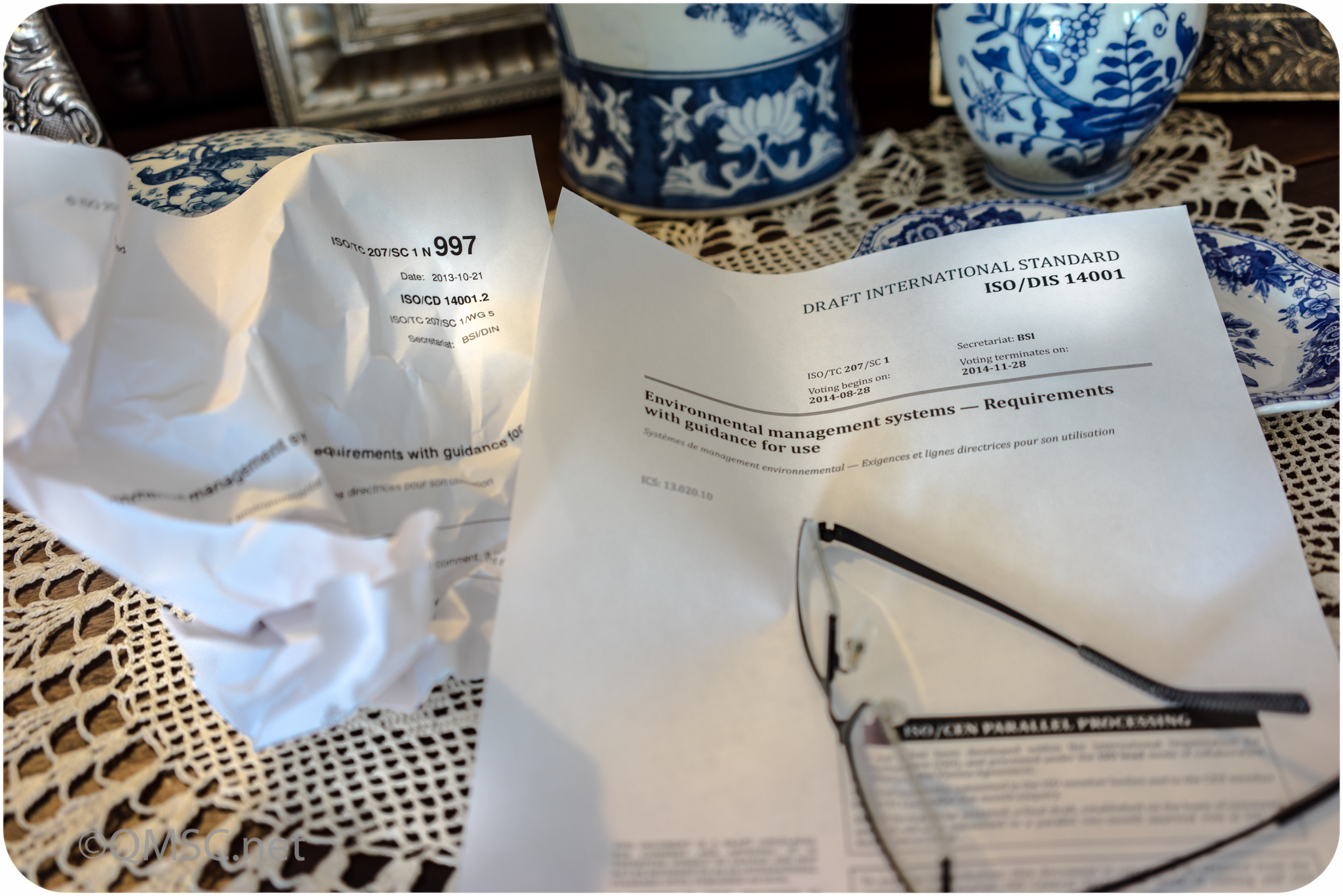
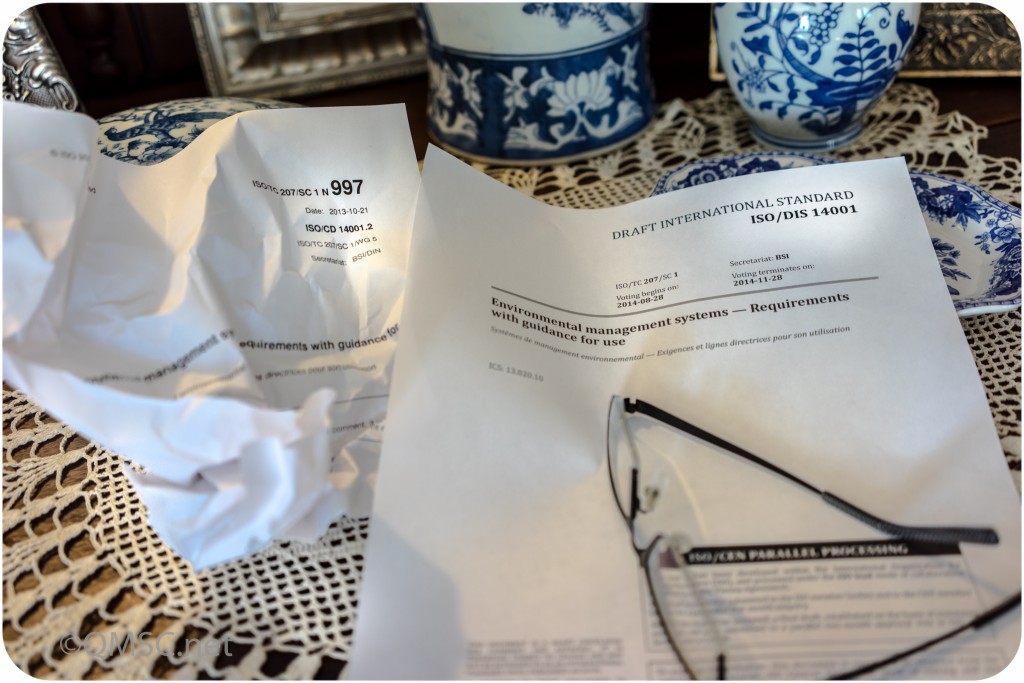
DIS 14001 was released last week. Its arrival is another step toward ISO 14001:2015, scheduled for sometime next year. I’ve been reviewing it against the current 2004 version and there are some interesting changes.

Last post covered the first half of the Definitions section where the same words exist between DIS 14001 and 2004 – but they have either different meanings, or are augmented by different notes.

And, along with the release schedule for ISO 14001:2015, we looked at the overall structure, recognizing that DIS 14001 relies heavily on the basic skeleton of Annex SL.

In this part, coverage of the Definitions section continues, specifically of the new words.

Let’s get to it.

New words defined in DIS 14001

These are words that do not appear to be formally defined in the current version. Most of these do not show in Annex SL either, or I would not bring them up. Three fall into the latter category.

audit

Similar to “process” (below), audit is defined in Annex SL but not in 2004 – but there are differences in the notes in DIS 14001 (indicated in blue). Here is the whole piece for context:

3.28 – systematic, independent and documented process for obtaining audit evidence and evaluating it objectively to determine the extent to which the audit criteria are fulfilled 

Note 1 to entry: An internal audit is conducted by the organization itself or by an external party on its behalf.

Note 2 to entry: An audit can be a combined audit (combining two or more disciplines).

Discussion: an aid to Registrars and organizations alike  as often ISO 9001 and 14001 are audited simultaneously. This should allow for some economies of scale during the audit process, such as not auditing Management Review twice; once for 14001 and again for 9001.

As an aside, and to those on the inside – I don’t know how this impacts MD5 (if at all).

Note 3 to entry: Independence can be demonstrated by the freedom from responsibility for the activity being audited or freedom from bias and conflict of interest.

Discussion: Another clarification as this concept has caused difficulties in the past. Folks often go “overboard” in this regard; disqualifying those who only have a peripheral association with a function.

Note 4 to entry: “Audit evidence” consists of verifiable records, statements of fact and other information relevant to the audit criteria, and “audit criteria” are the set of policies, procedures or requirements used as a reference against which audit evidence is compared, as defined in ISO 19011.

Discussion: A clarification based on numerous [mis]interpretations.

continual improvement

Just like “process” (below) and “audit” (above), continual improvement in DIS 14001 adds information in the notes that does not appear in either Annex SL or in 2004.

3.29 – recurring activity to enhance performance

Note 1 to entry: Enhancing performance relates to the use of the environmental management system in order to enhance environmental performance consistent with the organization’s environmental policy.

Note 2 to entry: The activity need not take place in all areas simultaneously, or without interruption.

compliance obligation

3.22 – requirement that an organization has to or chooses to comply with  Note 1 to entry: Obligations may arise from mandatory requirements, such as applicable laws and regulations, or voluntary commitments, such as organizational and industry standards, contractual relationships, principles of good governance and community and ethical standards.

[Source: ISO/DIS 19600:2014, 3.31]

environmental policy

3.6 –  intentions and direction of an organization as formally expressed by its top management related to environmental performance

Nothing in the 2004, and this DIS 14001 definition differs only slightly from that defined in Annex SL by preceding it with “environmental and adding “related to environmental performance” to the end.

indicator

3.33 – measurable representation of the condition or status of operations, management or conditions

[SOURCE: ISO 14031:2013, 3.15]

life cycle

3.15 – consecutive and interlinked stages of a product system, from raw material acquisition or generation from natural resources to end-of-life treatment Note 1 to entry: Life cycle includes activities, products, and services and may include procured goods and services, as well as end-of-life treatment of products and delivery of services, for example, design, manufacture, transport, packaging and end-use or disposal.

[Source: ISO 14044:2006, 3.1, modified ― refer to ‘end-of-life treatment’, not ‘final disposal’, Note 1 to entry was added].

process

I would not have included this as new even though it doesn’t appear in 2004 because it is covered in Annex SL – however it does add a note; so I’ve added it in this section.

3.26 – set of interrelated or interacting activities which transforms inputs into outputs

Note 1 to entry: Processes can be documented or not.

Until next time

There’s your review of the changes in DIS 14001 relative to the overall contents and, mostly, the Definitions section. Next post I’ll cover another section of the DIS standard, or two.

Thanks  for stopping by!

Sal

P.S. While this is my own independent blog, I would be remiss if I did not point out that if your company is in fact starting down the path to Certification, regardless of the standard, and are in need of a Registrar – I happen to know a great organization that does that kind of thing: Start here at TUV USA (part of TUV Nord).

Mention my name, please – so they’ll think I’ve been up to something useful in my spare time.