I was able to spend a little time today with my wife – raking leaves. As you know, I travel a bit, so this kind of thing is what is called “Quality Time”. There was lots of hand-holding, blushing and googly-eyes.
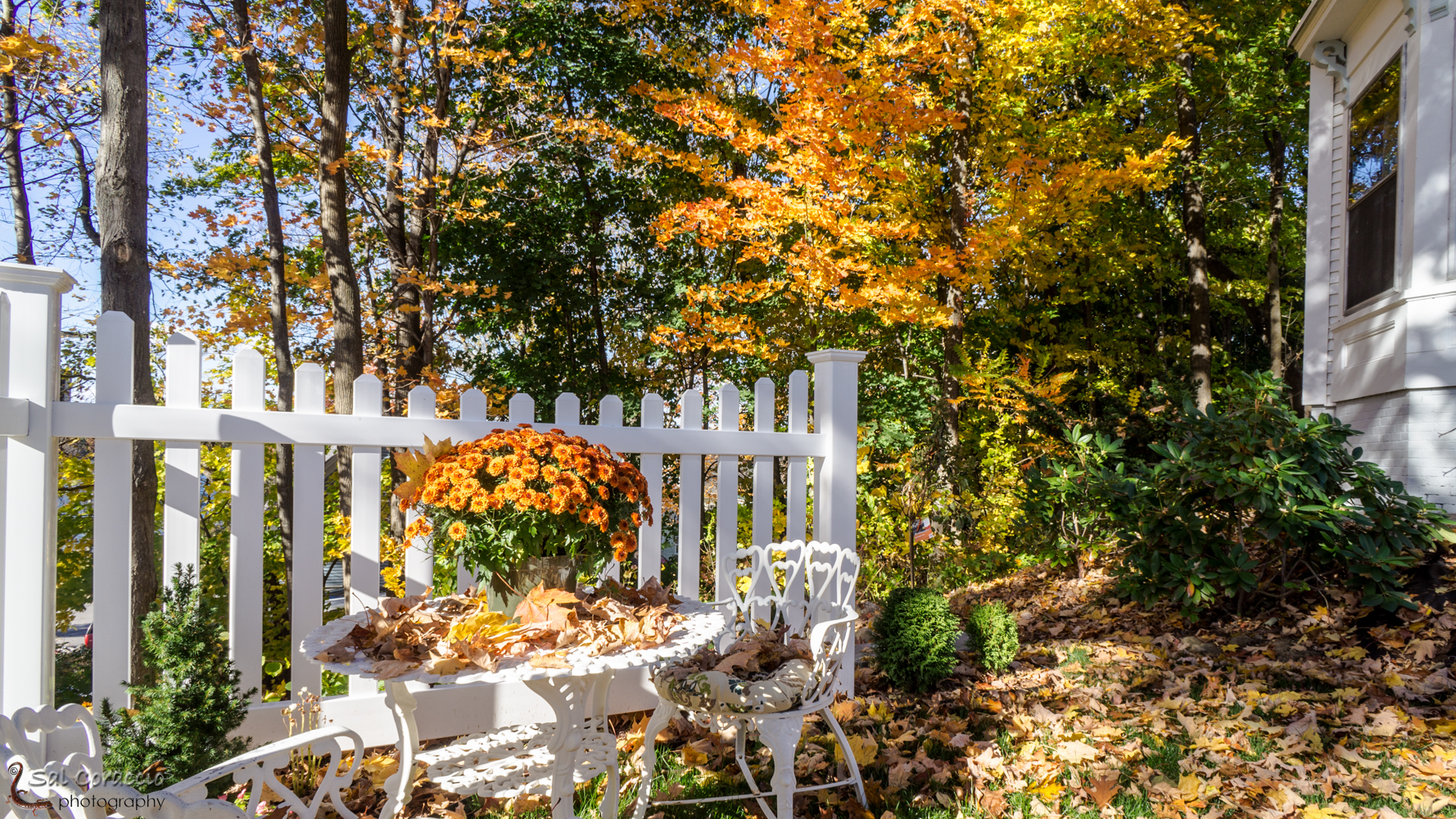
We live in a part of the country (New Hampshire) where nature puts on a bit of show. The green leaves gradually give way to vibrant oranges, dappled yellows and cascades of carmine. Or, if you are less poetically inclined, where chlorophyll submits to carotenoids and anthocyanins. They’re lovely to look at for about three weeks, then – not so much as they take their final bow; falling like a curtain.
Show’s over, pick up and leave.
So that’s what we do: rake, rake and rake and then stuff their thin carcasses into bags or pile them onto tarps and drag them into the woods or burn them.
Next morning, or worse, later that afternoon – the torn and bruised zombie invasion is back; their veined and blistered skins collecting in roaming, scratching bands of fading color.
The whole ceremony got me thinking about root cause analysis, of course. You too? We should start a support group. Let’s look at the problem: we could use 5 whys, an Ishikawa diagram… fault tree analysis?
Nancy Tagu’s book, Quality Toolbox – which I highly recommend, by the way – has over four-hundred pages of quality tools – maybe one of those? The worst part is that by the time all the leaves have fallen from the trees, the weather is as cold and unforgiving as a spouse dealing with a frequent business traveler. Not that my wife is like that at all (she really isn’t – I’m pretty lucky).
Why do we have to remove these things from the lawn? Customer requirement? Turns out I’m the customer. And I don’t want my lawn to look bad – and it would, if I let these things accumulate. I have a requirement for a green lawn – it’s in the spec sheet. I point this out because changing the specification is always an option when dealing with failures, or perceived failure. It shouldn’t be the initial reaction, but sometimes the criteria have been overzealously applied.
I have considered though that keeping up with the Jones’ isn’t the best use of my time, and an unenlightened concession to vanity. Well, turns out the shuffling invasion isn’t just an eyesore.
According to the Mississippi State University Extension Service; the Agricultural and Forestry Experiment Station, leaves reduce light and air circulation necessary for a happy lawn. Diseases and insects can go unnoticed until the turf is toast. Moisture trapped between the soil and the leaves provide spawning grounds for nasty sounding pathogens like rhizoctonia that love cooler, wet weather.
Root Cause
Convinced! These leaves are bad. Why wait for them to fall from the trees? The root cause here is literally – a root! Alright, maybe it is a nut (don’t look at me like that).
So, my short-term corrective action; the thing that will solve the immediate problem, is to remove the leaves. Remove the leaves without otherwise damaging the lawn – I say this because I did consider using a flamethrower in situ, but apparently this is also against the law. And I’d have to make one.
That done, along with the analysis that the trees are the problem, we need to move on to the long-term corrective action. Options?
- Netting below the canopy of the trees.
- Robotic device that detects a leaf falling, gathers it and either destroys it or relocates it to a designated area (I’m already working on this – ). Optional – train a dog to do this. Or a child.
- Something along the line of a Patriot Missile Defense system; possibly with a laser, that identifies and tracks a falling leaf and – terminates it.
- An array of air nozzles, roughly akin to a sprinkler system (perhaps a combined system!), that occasionally blasts air toward a collection area (or an unloved neighbor’s property).
- An Earth-orbiting set of screens that limit [somehow] photosynthesis and reduce the overall canopy.
- Removal of the trees. All the trees.
There may be more – my cross functional team comprised of learned individuals from several key departments, is working on it as I write. I have just been informed that number 5. Earth-orbiting set of screens, may have longer-term negative consequences, particularly to my lawn, so that is under review. This is a potential problem with any corrective action, and should be part of the investigation and analysis.
Consequently, I’m leaning toward number 5. Removal of the trees. My wife’s automatic response, delivered seven times so far has been, “We aren’t doing that.” FINE.
Let’s say I do that anyway (“No, let’s say you don’t.“). At some point, probably next fall, I’ll need to ensure the corrective action was effective. I may even be able to specify now by what means; what measurement criteria or method, will determine effectiveness. At this point in time, I’m going to say that a 90% reduction in volume will determine success.
Assumes, of course, that I am currently measuring volume of leaves as a quality metric. Alternatively, we could use surface coverage of lawn – something.
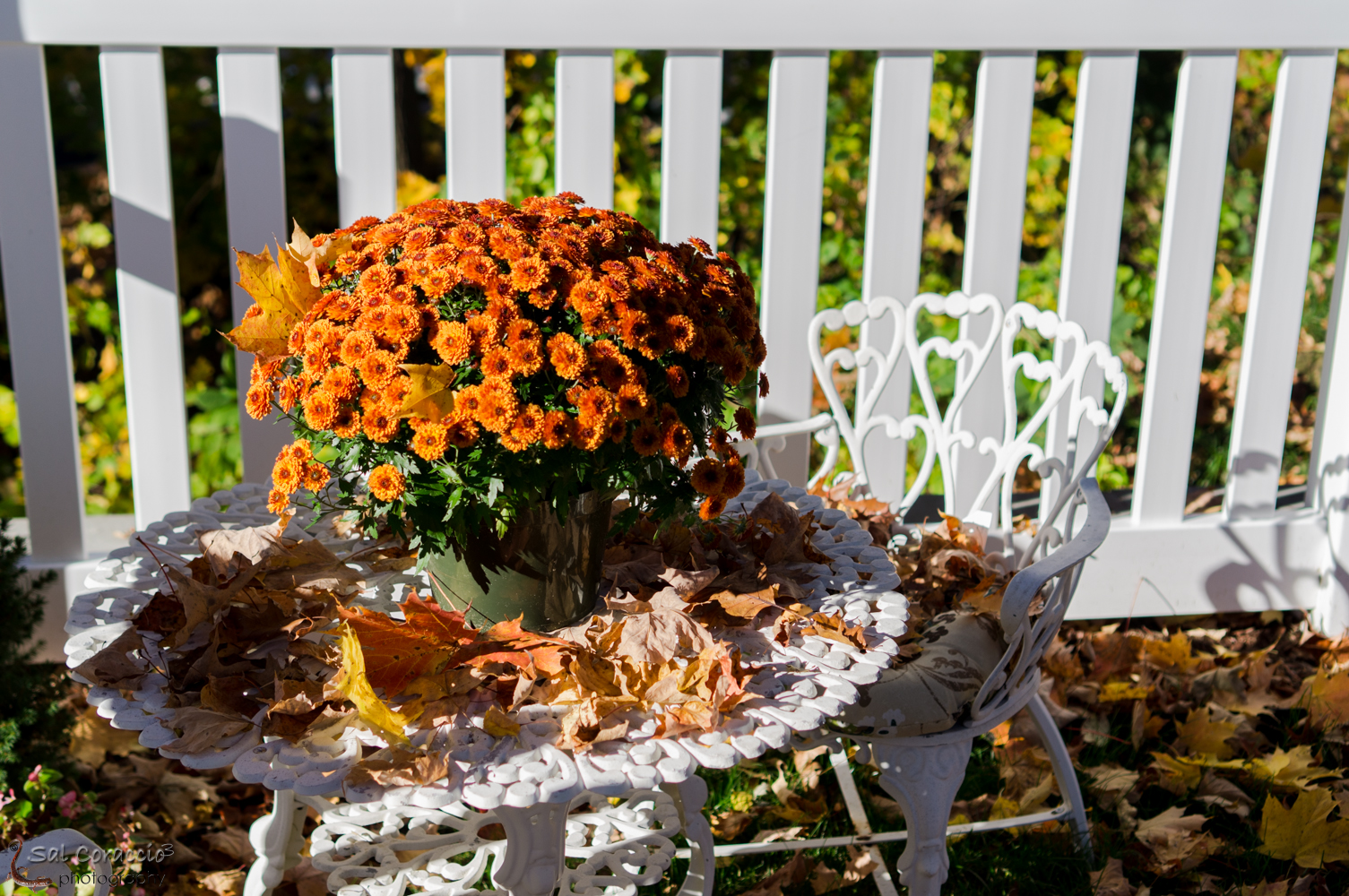
Isn’t fall wonderful? I spend a little Quality Time with my wife, and at the same time we eliminate the need for raking leaves. Magic. I’m thinking that maybe next month, she and I can do a little snow removal. Snow is a very similar problem, isn’t it? A perfect opportunity to initiate a Preventive Action. On it!
Thank you for reading. Go forth, and calibrate thyself.
Sal